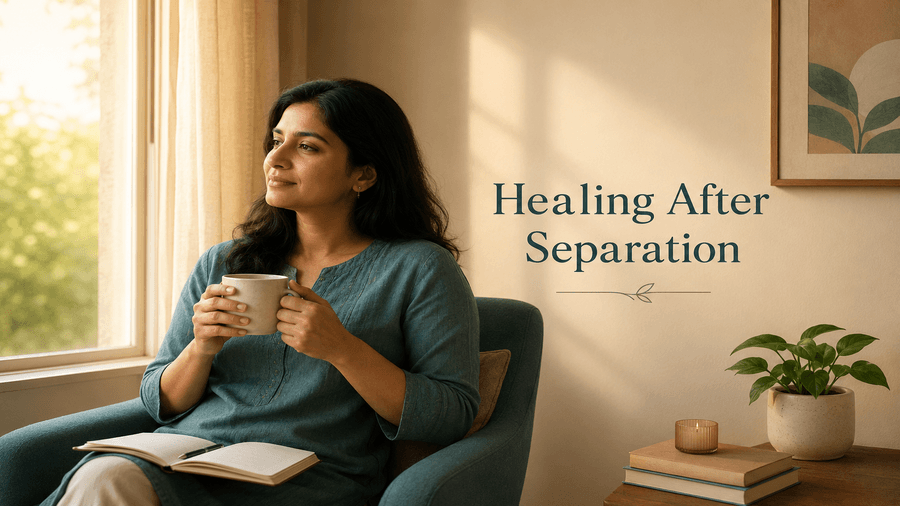
The Emotional Effects of Divorce and Separation
Divorce and separation are not just legal or relationship changes. They are deeply emotional life transitions. Even when separation is necessary, mutual, or healthier in the long run, it can still bring pain, confusion, grief, fear, anger, and uncertainty.
Many people assume divorce only hurts when love is still present. But the truth is, even when a relationship has become unhealthy, ending it can still feel emotionally heavy. You may grieve the person, the memories, the future you imagined, the family structure, or even the version of yourself that existed inside that relationship.
At India Therapist, many people come to therapy after divorce or separation feeling lost, emotionally exhausted, and unsure how to move forward. Some feel guilty. Some feel relieved but confused. Some feel rejected. Some feel peaceful one day and broken the next. All of these reactions are human.
Divorce is not just the end of a relationship. It is the beginning of emotional rebuilding.
Divorce Can Feel Like Grief
One of the strongest emotional effects of divorce and separation is grief. Many people do not realize that grief is not limited to death. We can also grieve relationships, dreams, routines, identity, family life, and emotional safety.
After separation, you may miss small things: daily conversations, shared meals, family habits, inside jokes, or the feeling of having someone beside you. Even if the relationship had problems, the loss can still feel real.
This grief may come in waves. Some days you may feel strong. Other days, a memory, song, place, or message may suddenly bring sadness back. This does not mean you are weak. It means your mind and heart are processing change.
Therapy can help you understand this grief without judging yourself for it.
The Feeling of Failure
In Indian society, divorce often carries emotional and social pressure. Many people feel they have failed, even when they tried their best. Family expectations, cultural beliefs, and social judgment can make separation even harder.
You may ask yourself:
“Did I make the wrong decision?”
“What will people think?”
“Could I have done more?”
“Will I ever be happy again?”
“Will someone accept me in the future?”
These questions can create anxiety, shame, and self-doubt. But divorce does not mean you failed as a person. Sometimes, a relationship ends because two people cannot continue in a healthy way. Choosing peace, safety, and emotional wellbeing is not failure.
A therapist in India can help you separate your self-worth from your relationship status.
Anxiety About the Future
Separation often brings uncertainty. Life suddenly changes. Your daily routine, financial responsibilities, living situation, parenting role, family dynamics, and future plans may feel unclear.
This uncertainty can lead to anxiety. You may overthink every decision. You may worry about being alone, starting over, facing society, or trusting someone again.
For NRIs, divorce or separation can feel even more complex. Living abroad without close family support can increase loneliness and emotional stress. Visa concerns, cultural isolation, and distance from loved ones may make healing feel harder.
This is where NRI counselling mental health support can be very helpful. Speaking with an Indian therapist online can give NRIs culturally sensitive guidance while they navigate separation abroad.
Loneliness After Separation
Even if the relationship was painful, separation can still create loneliness. The sudden absence of someone who was part of your daily life can feel strange. You may miss having someone to talk to, someone to update, or someone who knew your routine.
Loneliness after divorce is not always about wanting the person back. Sometimes, it is about missing connection, stability, and familiarity.
This is why emotional support matters. Friends and family may help, but therapy provides a safe space where you can speak honestly without fear of judgment. Counseling can help you rebuild connection with yourself before rushing into another relationship.
Anger, Resentment, and Emotional Pain
Divorce and separation can bring anger. You may feel hurt by betrayal, neglect, rejection, disrespect, emotional abuse, family interference, or broken promises.
Anger is not always bad. Sometimes, anger shows where you were hurt. It can help you recognize boundaries and understand what you no longer want to tolerate.
But when anger remains unprocessed, it can affect your mental health. It may lead to bitterness, sleep problems, stress, emotional exhaustion, or difficulty trusting others.
Therapy helps you process anger in a healthy way. It does not force you to forgive before you are ready. Instead, it helps you understand your pain and slowly release the emotional burden.
Impact on Self-Worth
Divorce can deeply affect self-esteem. Many people start questioning their value, attractiveness, choices, and future. They may feel rejected or compare themselves to others who seem happily married.
This can be especially painful when society links marriage with personal success. But your worth is not defined by whether a relationship worked or ended.
Healing after divorce involves rebuilding self-trust. You learn to see yourself as a whole person again, not just as someone’s spouse, ex-partner, or divorced individual.
At India Therapist, therapy often helps clients reconnect with their identity, confidence, and emotional strength after separation.
Effects on Children and Family
When children are involved, divorce becomes emotionally more complex. Parents may worry about how separation will affect their children. They may feel guilt, fear, or pressure to keep everything normal.
Children can experience confusion, sadness, anger, or insecurity during separation. However, staying in a highly conflicted or emotionally unhealthy environment can also affect children.
The goal is not to create a perfect situation. The goal is to create emotional safety, honest communication, and stability as much as possible.
Family counseling or relationship counselling India services can help parents manage communication, reduce conflict, and support children emotionally during this transition.
Healing Takes Time
Healing after divorce or separation is not instant. Some people feel better within months. Others take longer. There is no fixed timeline.
You may go through different emotional stages: sadness, denial, anger, guilt, relief, fear, acceptance, and hope. These stages do not always happen in order. Healing is rarely a straight line.
Small steps matter:
Talking to someone you trust
Creating a daily routine
Taking care of your body
Journaling your emotions
Setting healthy boundaries
Avoiding unnecessary contact if needed
Seeking therapy or counseling
Rebuilding friendships and support systems
Every small step helps you return to yourself.
How Therapy Helps After Divorce and Separation
Therapy provides emotional support during one of life’s most difficult transitions. A therapist helps you understand what happened, process painful emotions, rebuild confidence, and create a healthier future.
Therapy can help with:
Divorce grief
Anxiety and depression
Emotional healing
Stress management
Self-worth and confidence
Relationship patterns
Co-parenting stress
Loneliness
Fear of starting over
Trust issues
Working with Indian therapists online can be especially helpful for Indians and NRIs because cultural context matters. Family pressure, marriage expectations, social judgment, and emotional responsibilities are often deeply connected to Indian relationships.
At India Therapist, individuals can connect with experienced therapists in India who understand these cultural and emotional layers.
You Can Rebuild Your Life
Divorce and separation may feel like an ending, but they can also become the beginning of emotional growth. You may not feel strong right now, and that is okay. Strength does not always look like confidence. Sometimes, strength looks like getting through one difficult day at a time.
You are allowed to grieve. You are allowed to rest. You are allowed to feel confused. You are allowed to start again.
Your life is not over because one relationship ended. With time, support, therapy, and self-compassion, healing is possible.
At IndiaTherapist.com, our team of Indian therapists online, therapists in India, and mental health professionals supports individuals through divorce, separation, anxiety, depression, emotional healing, relationship counselling, and personal growth.
📱 WhatsApp: +1 (425) 442-4167
💬 Message: “Hi, I’d like to connect with a therapist.”
Because divorce can break a chapter.
But it does not have to break you.
Ready to talk to someone who understands?
Connect with an Indian therapist who speaks your language and understands your cultural context.